
Guide · Canyoneering
What is canyoneering? A beginner's guide
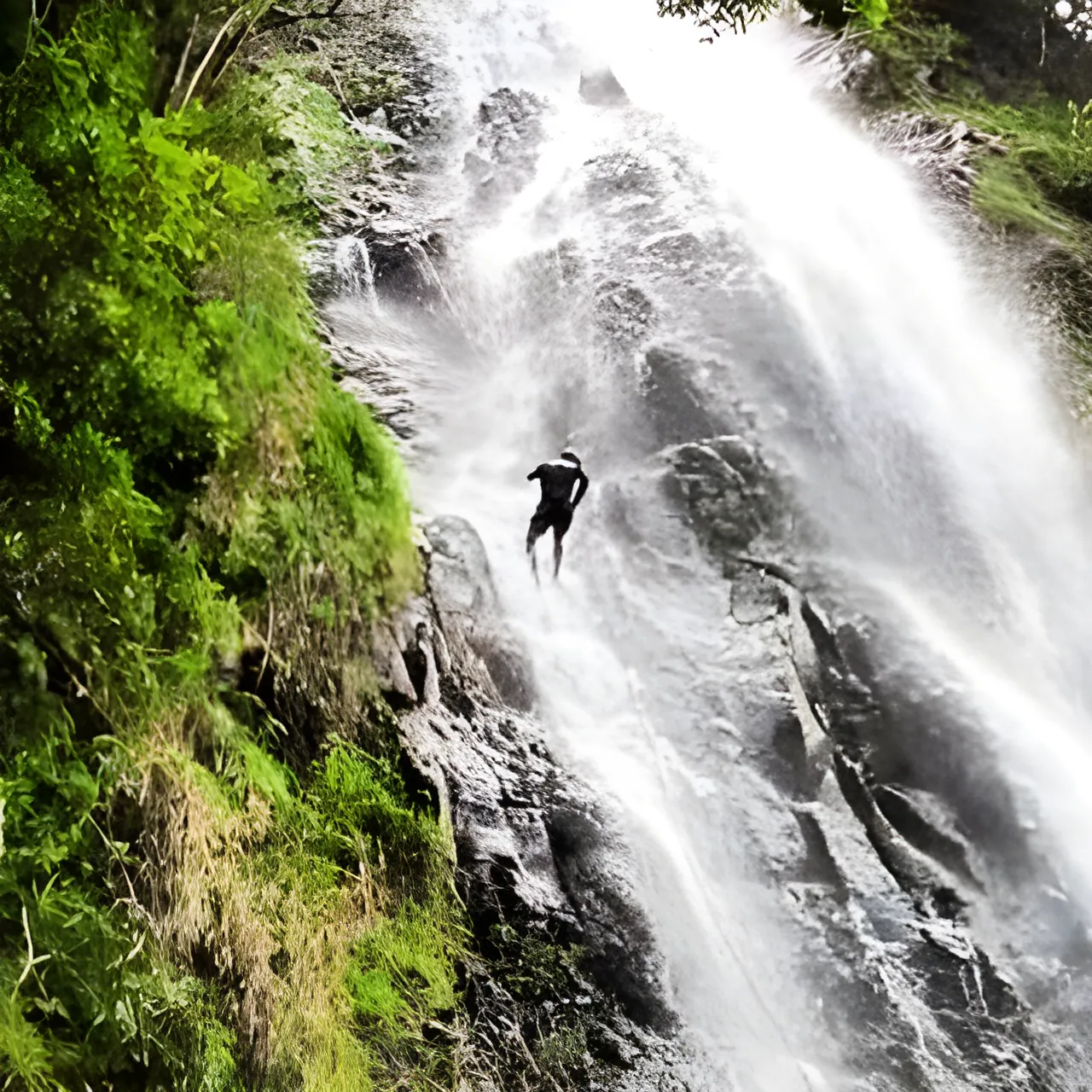
Canyoneering is following a canyon from top to bottom, using whatever it takes to get through: hiking, scrambling, swimming, jumping and rappelling. Here's how it works, what you need, and how to start without getting in over your head.
What canyoneering is
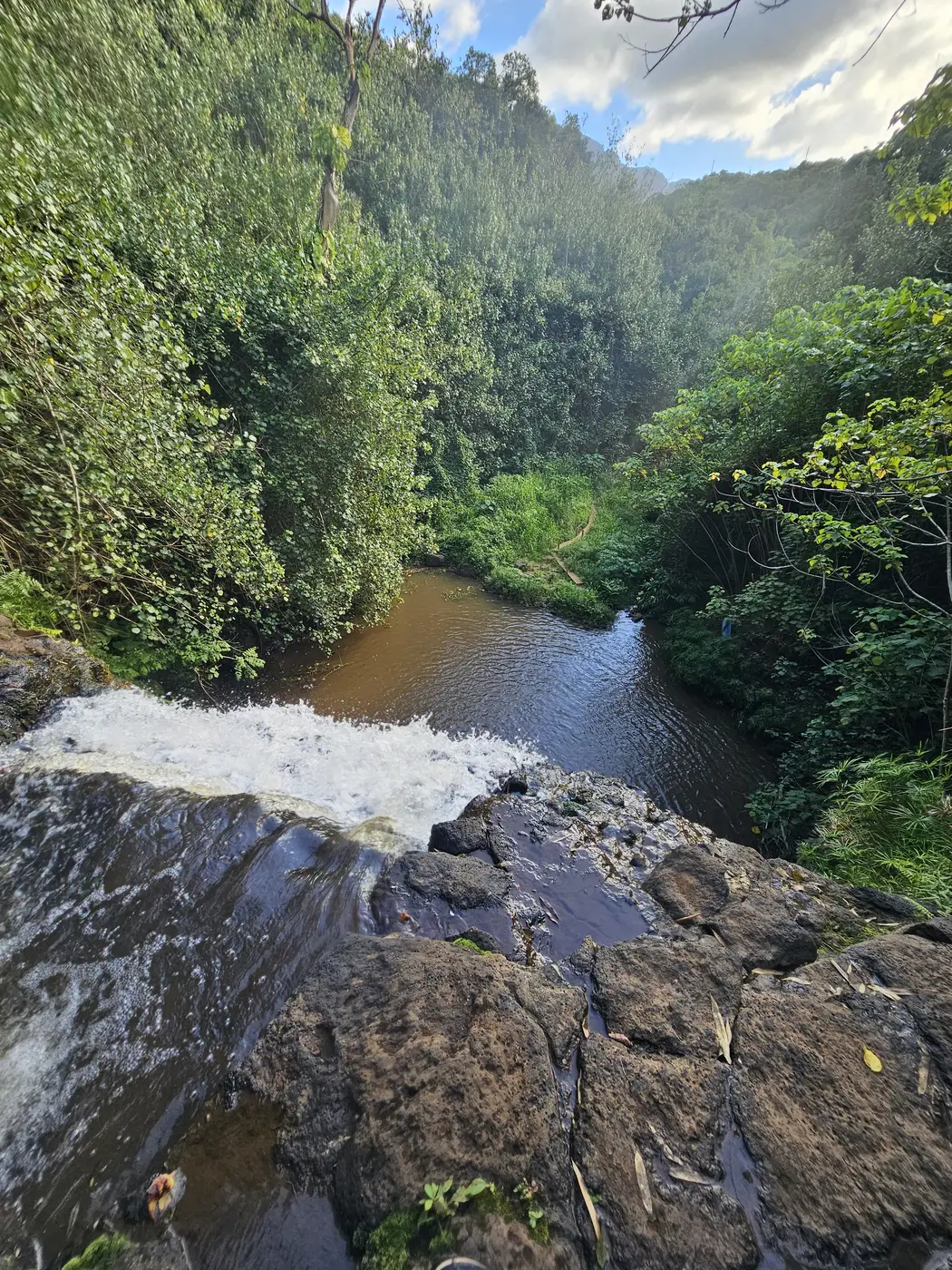
Canyoneering is traveling down a canyon or stream gorge from the top to the bottom, using rappels, downclimbs, swims and scrambles to get past each obstacle. The canyon sets the route. When the streambed drops off a waterfall, you rappel it. When it fills a pool wall to wall, you swim. When it narrows into a slot, you squeeze, stem or wade through.
That's what makes it different from hiking: there's often no trail and no easy way out once you're in. And it's what makes it different from climbing: you're almost always going down, following water.
Canyoneering, canyoning or rappelling?
Canyoneering is the American word. Canyoning is what it's called in Europe, Australia, New Zealand and most of the world. Same sport.
Rappelling is one skill inside canyoneering: descending a fixed rope. A canyon trip might have one rappel or twenty, plus everything in between. If you've done a waterfall rappel, you've done the signature move of canyoneering. New to the rope side? Start with what rappelling is and how it works.
What a canyon day looks like
- The plan. Check the weather for the whole watershed, not just where you're standing, plus water levels, daylight and the route's rating. Leave a trip plan with someone at home.
- The approach. Hike to the top of the canyon, often the hardest walking of the day, carrying rope and gear.
- Gear up and brief. Harnesses, helmets and wetsuits on. Review signals, the order of descent and what happens if something goes wrong.
- The descent. Work down obstacle by obstacle: build or inspect an anchor, rig the rope, rappel, pull the rope down, coil it, move on. Between drops, you're wading, swimming and scrambling over wet rock.
- The exit. Climb or hike out at the bottom, or at a known escape point if conditions change.
A short beginner canyon can take two or three hours. Big technical canyons can take a full day or more.
The skills
- Rappelling: controlled descents, including in flowing water, where the force on your body and your footing change completely.
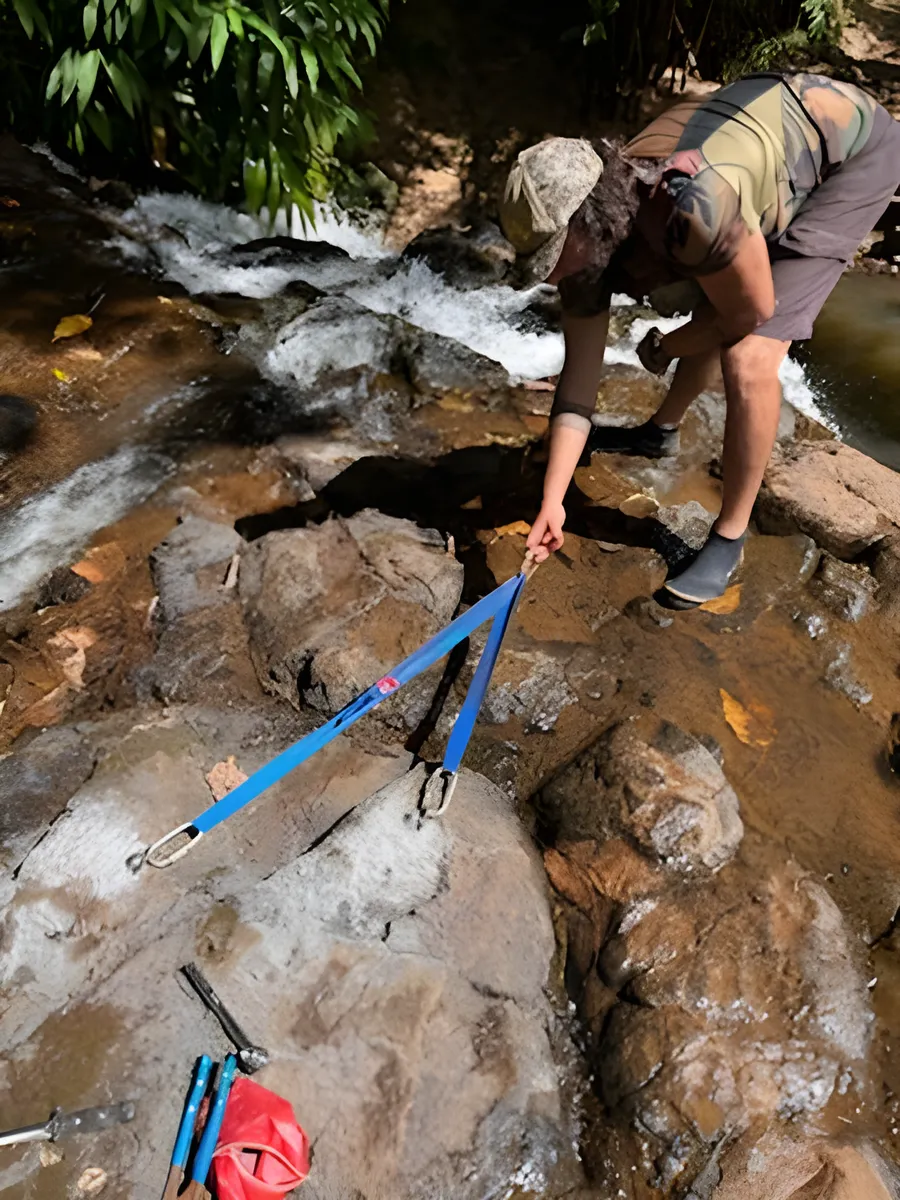
- Anchors: judging bolts, trees and natural features, and rigging them so the rope can be pulled down from below.
- Rope work: knots, measuring the drop, pulling and coiling rope, and avoiding stuck ropes.
- Downclimbing and scrambling: moving on slick rock without a rope, and knowing when to use one.
- Swimming: comfortable in deep, cold water while wearing a pack and gear.
- Water reading: spotting recirculating pools, siphons and currents before you commit.
- Self-rescue: converting a rappel to a lower, getting someone unstuck, and getting out when things go wrong.
Gear and canyoneering shoes
Canyon gear overlaps with standard rappelling gear, but water and abrasion change a few things:
- Helmet and harness: a canyon harness has a tougher seat (or you add a butt protector), because you'll sit and slide on rough rock.
- Rappel device: one that lets you add or remove friction mid-rappel, since wet rope runs faster.
- Rope: low-stretch canyon rope that floats or sinks predictably, plus a rope bag and a pull cord on longer drops.
- Wetsuit: even in warm places, a long day in shaded water drains heat fast.
- Dry bag, knife, whistle and first aid: small, light and non-negotiable.
Canyoneering shoes deserve their own note, because the wrong shoes cause more slips than anything else. Look for:
- Sticky rubber soles that grip wet rock, not hard hiking rubber.
- Drainage: mesh uppers or drain ports so water runs out instead of sloshing.
- Protection: a closed toe and a solid toe cap. Never sandals or water shoes in a canyon.
- Snug fit with neoprene socks: socks add warmth and stop rubbing.
Purpose-built canyoneering shoes are best. Trail runners with sticky soles work for an intro trip.
How canyons are rated
In the U.S., canyon descriptions usually use the American Canyoneering Association rating, which combines four parts:
| Part | Scale | What it tells you |
|---|---|---|
| Technical | 1 to 4 | 1 is hiking, 2 is scrambling, 3 needs rope and rappels, 4 needs advanced techniques |
| Water | A, B, C | A is dry or little water, B is still water and swims, C is moving water and current |
| Time | I to VI | From a couple of hours (I) up to multi-day trips (VI) |
| Risk | R or X | Extra danger beyond the rating, such as long unprotected sections or serious consequences |
A good first canyon is a 3A or 3B, time I or II, with no R or X: real rappels, manageable water and a short day.
The real hazards
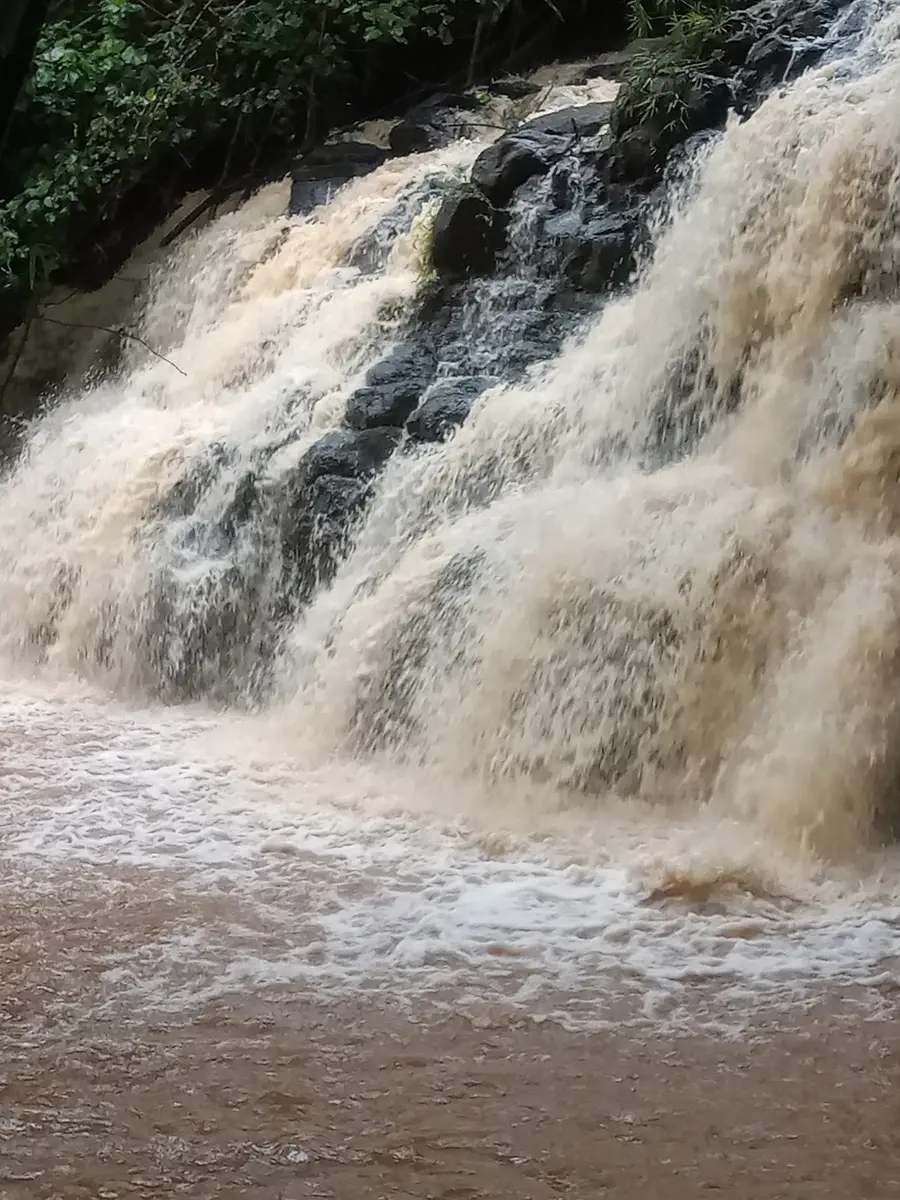
- Flash floods: the big one. Rain miles upstream can raise a canyon in minutes, even under blue sky. If the water turns brown, rises, or you hear a roar upstream, get to high ground.
- Strong water at the base of falls: recirculating currents can hold a swimmer under. Rappel beside the main flow, not through it, when the volume is high.
- Cold: hypothermia happens in tropical canyons too, from hours in shaded water.
- Stuck ropes and stuck people: hair, clothing or straps caught in a device, or a rope that won't pull. Both are solvable with training and dangerous without it.
- Anchors you didn't build: old slings, rusted bolts and dead trees. Inspect everything; trust nothing by default.
- Slips on wet rock: the most common injury. Good shoes, three points of contact, and slow down.
Canyoneering in Hawaii
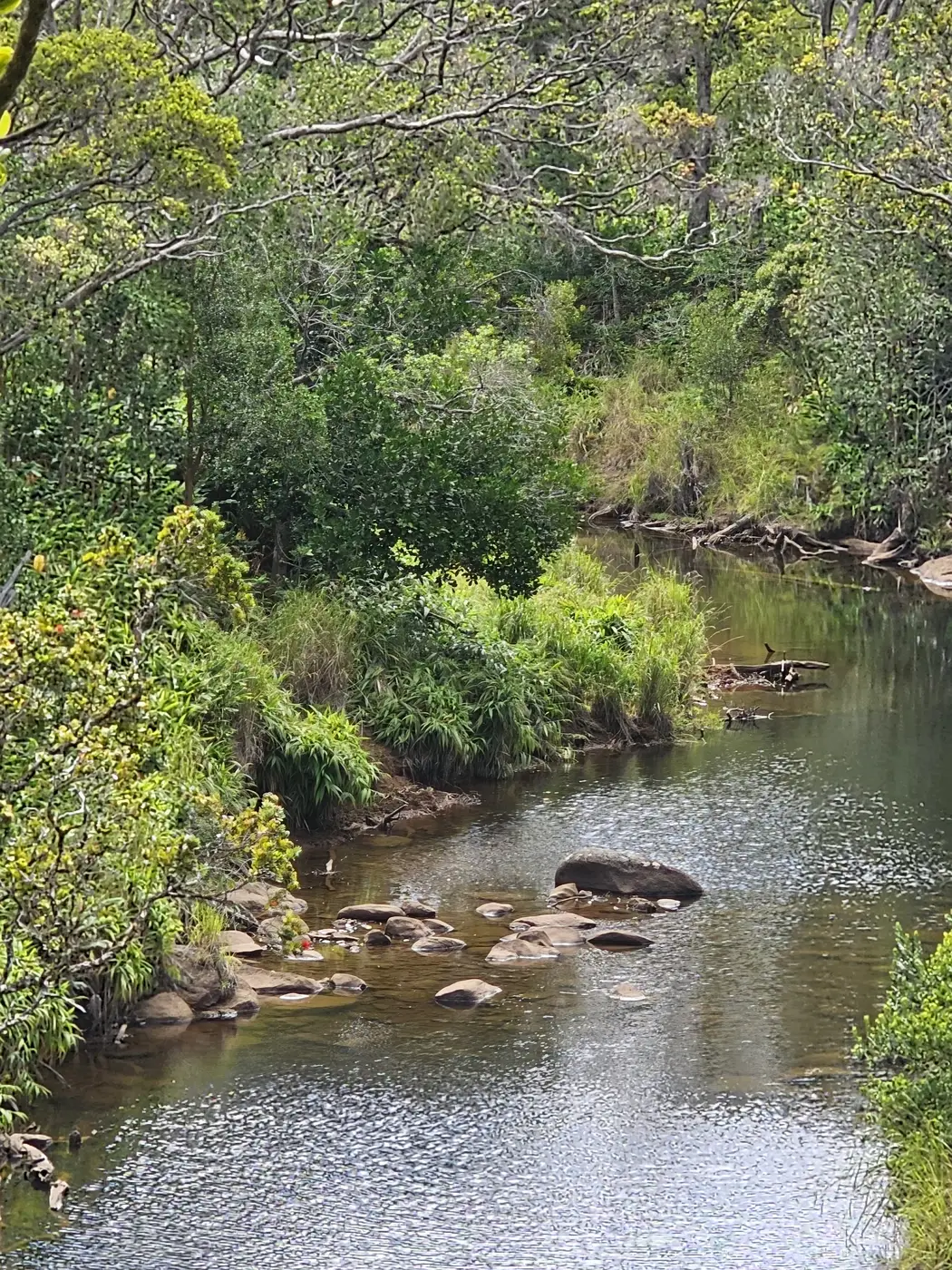
Hawaii has some of the most beautiful canyon terrain anywhere: volcanic gorges, stacked waterfalls and jungle pools. It also has its own rules:
- Rain moves fast. Mountain watersheds can flood in minutes while the coast stays sunny.
- Most canyons cross private or restricted land. Many are on ranch, plantation or water-company land, and trespassing is both illegal and dangerous. Go with an operator who has permission.
- Leptospirosis lives in Hawaii's fresh water. Cover cuts and don't swallow stream water.
- Volcanic rock can be loose or razor-sharp, which is hard on ropes and skin.
On Kauai, the safe, legal way in is a guided trip on permitted land. We run private waterfall rappel trips on Kauai for every level, and our Kauai waterfalls guide covers the falls you can reach on your own.
How to get started
- Try a guided rappel. A guided waterfall rappel shows you whether you like being on rope in water, with all the risk management handled.
- Take a course. Learn anchors, rigging, rope pulls, water hazards and self-rescue from a qualified instructor. Our Canyoning Basics course is built for exactly this step.
- Go with experienced people. Do easy canyons with a mentor or club before planning your own.
- Build your own kit slowly. Buy gear once you know what you need, and learn to inspect and retire it.
Questions
Is canyoneering dangerous?
It can be. Flash floods, strong water and bad anchors are the main risks. With a qualified guide, the right weather and the right canyon for your level, it's a well-managed adventure. Most accidents come from skipped checks or going in when the weather says no.
Do I need experience to go canyoneering?
Not for a guided beginner trip. The guide teaches you to rappel on the spot. To plan and lead your own canyons, you need training in anchors, rope work, water hazards and self-rescue.
Do you have to be able to swim?
For most canyons, yes. Many have deep pools you have to swim across. Some guided waterfall rappels avoid swimming, so ask the operator.
What's the difference between canyoneering and canyoning?
Nothing but the word. Canyoneering is the American term; canyoning is used in most other countries.
What shoes are best for canyoneering?
Closed-toe shoes with sticky rubber soles that drain water, worn with neoprene socks. Purpose-built canyoneering shoes are best; sticky-soled trail runners are fine for an intro trip. Never sandals.