
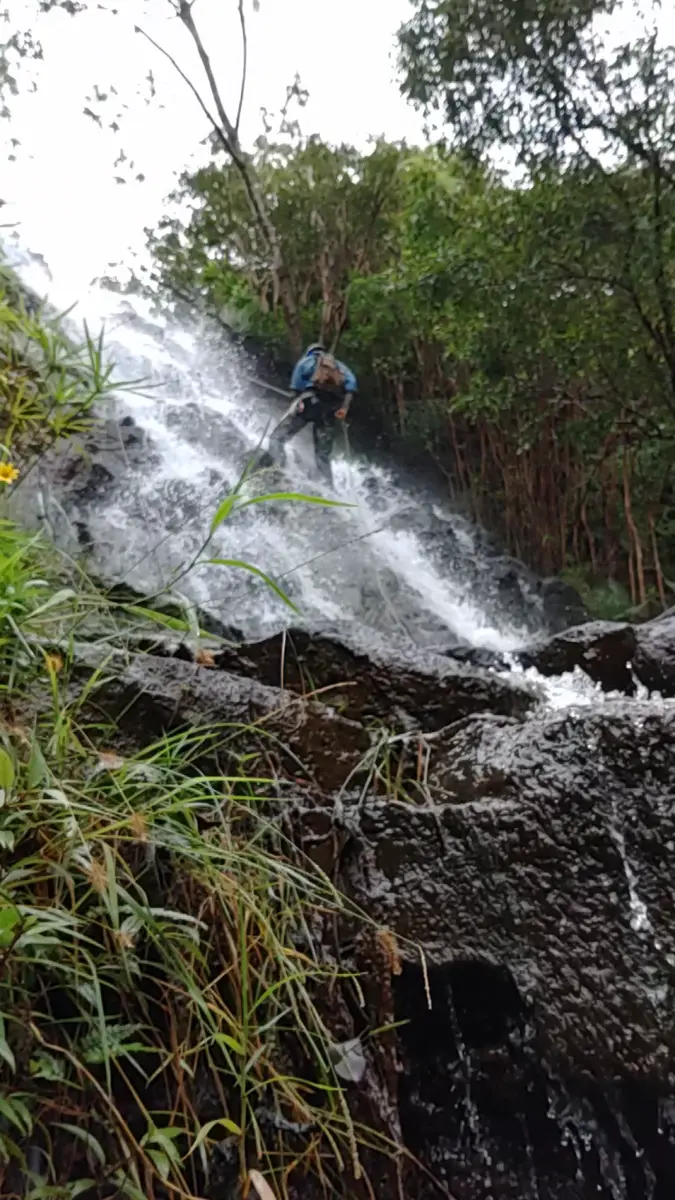
Guide · Rappelling
Rappelling gear: what you actually need
The short list, what each piece does, what to look for, and when to throw it away. Written by a guide who has inspected gear every morning for 14+ years.
You don't need a garage full of gear to rappel, but every piece you do use has to be the right kind and in good condition. Your life hangs on a short chain: anchor, rope, device, carabiner, harness. Any weak link breaks the chain.
Important: gear doesn't make you safe; knowing how to rig and check it does. If you're new, go with a guide or take a course before buying anything. Everything on this list is provided on a guided trip.
The essential list
| Gear | What it does | Look for |
|---|---|---|
| Harness | Connects you to the system | Certified climbing harness, snug fit, belay loop |
| Helmet | Protects from rockfall and bumps | Climbing-certified, adjustable, worn low on the forehead |
| Rappel device | Creates friction to control speed | Matches your rope diameter; adjustable friction for wet rope |
| Locking carabiners | Connect device to harness | Screw-gate or auto-locking, rated for climbing |
| Rope | What you descend on | Static or low-stretch, long enough to reach the ground with spare |
| Backup | Stops you if you let go | A friction hitch (autoblock) cord or a belayer below |
| Gloves and shoes | Comfort and grip | Leather or synthetic gloves; shoes with sticky soles |
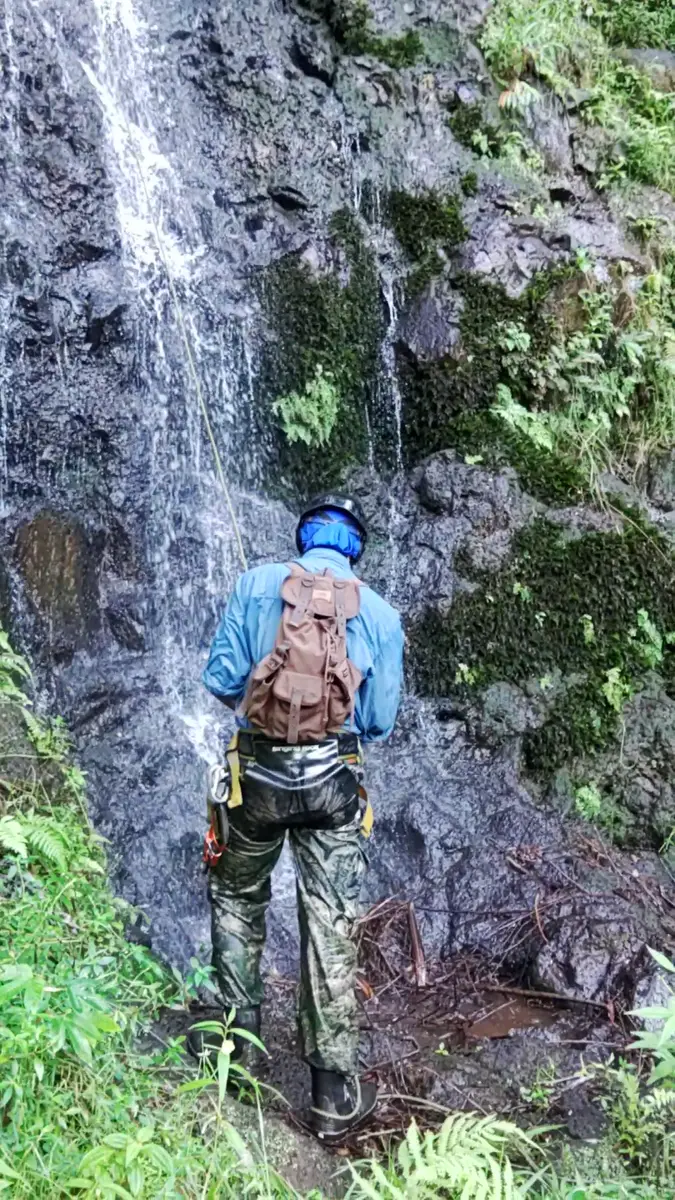
Harness
A climbing harness has a waist belt, two leg loops and a belay loop at the front, which is where your rappel device clips in. Always use a harness certified for climbing (look for UIAA or CE markings), never a homemade rope seat.
- Fit: the waist belt sits above your hip bones, tight enough that it can't slide over them. Leg loops snug but not cutting off circulation.
- For canyons and waterfalls: canyoneering harnesses add a tough seat protector that shields you from abrasive rock and water.
- Double-check the buckles before every rappel, especially older styles that must be doubled back.
Helmet
Rocks, sticks and dropped gear fall from above, and you'll bump the wall more than you expect. Wear a climbing-certified helmet, adjusted so it doesn't tip back when you look up. Low on the forehead, chin strap snug, and it stays on until everyone in your group is done.
Rappel device
The device bends the rope to create friction, so your brake hand only has to hold a fraction of your weight.
- Tube devices: light, simple and common for climbers. Friction is fixed, so check that it matches your rope's diameter.
- Figure 8: a classic, smooth but can twist the rope. Simple to understand, which is why many beginners start on one.
- Racks and adjustable canyon devices: let you add or remove friction mid-rappel. That matters on waterfalls, where wet, muddy rope behaves differently from dry rope.
- Assisted-braking devices: designed to grab the rope if you let go. Useful, but they still need training and a backup.
Carabiners
Use locking carabiners anywhere your life depends on the connection: device to harness, and anchor connections. Screw-gates close with a twist; auto-lockers close themselves. Load carabiners along their spine, the long strong axis, and never across the gate. On a screw-gate, close it fully, then back it off a quarter turn so it doesn't seize.
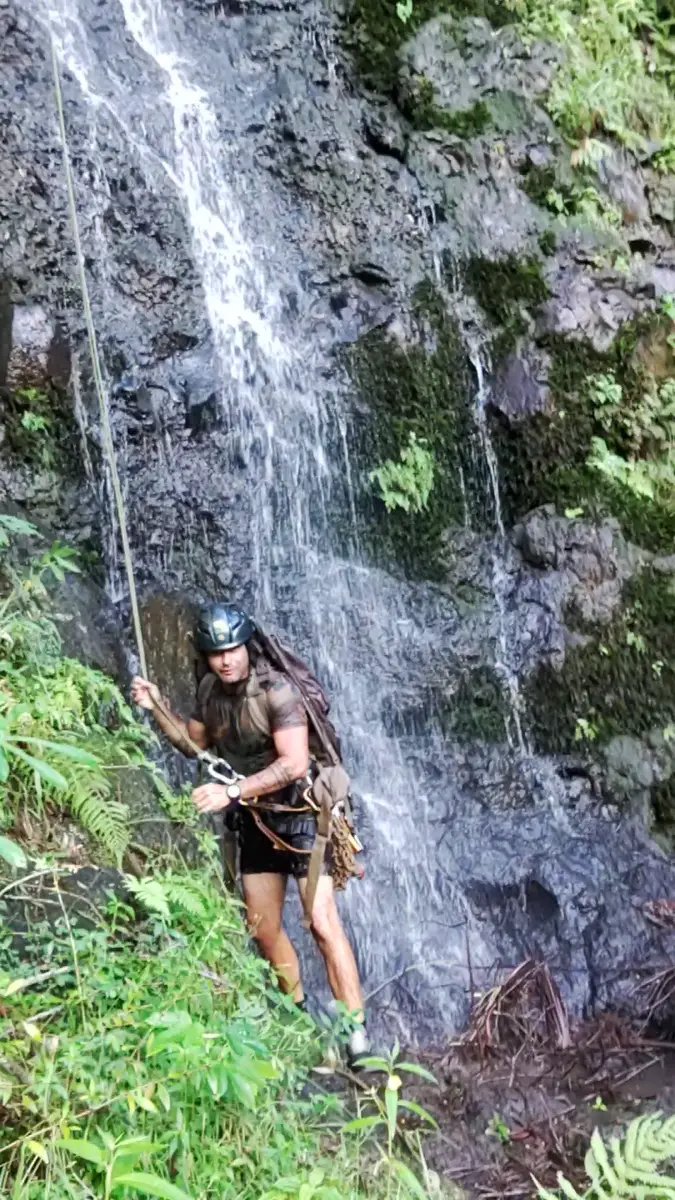
Rope
Rappelling uses static or low-stretch rope. Dynamic climbing rope stretches to absorb a fall, which makes rappelling bouncy; static rope stays steady.
- Diameter has to match your device. Thinner rope is faster and lighter; thicker rope is easier to control for beginners.
- Length: the rope must reach the bottom with spare. Tie stopper knots in the ends so nobody can rappel off the end.
- Canyon rope is usually static, floats, and resists water absorption and abrasion.
- Edge protection: a rope protector or pad where the rope runs over a sharp lip prevents cuts.
Backup and safety gear
- Friction-hitch backup: a short cord tied around the rope below your device (an autoblock) that grabs if you let go of the brake hand.
- Fireman's belay: on guided trips, a second person at the bottom holds the rope ends and can stop you instantly. No gear needed, just training.
- Knife: carried by guides in canyons to cut a rope or tangled strap in an emergency, and only used by someone trained.
- Prusik cords and a spare locker: for self-rescue, ascending a short distance, or fixing problems mid-rope.
- First aid kit, whistle and light: because help is usually far away.
Extra gear for waterfalls and canyons
- Shoes with sticky soles that drain water: canyoneering shoes or felt-free water shoes with real grip.
- Wetsuit for cold water or long canyons; even in Hawai'i, standing in a waterfall gets cold fast.
- Dry bags for phones, first aid and snacks.
- A drainable pack that doesn't fill with water and pull you off balance.
Inspection and retirement
On a professional operation, gear is inspected before every use and logged. A simple routine you can follow:
- Rope: run it through your hands end to end, feeling for soft spots, stiffness, cuts or a damaged sheath. Log how much it's used.
- Harness and webbing: look for frayed stitching, cuts, fading or stiff spots, especially at the belay loop.
- Metal: check carabiner gates open and close smoothly and lock fully; look for cracks, deep grooves or sharp edges worn by rope.
- Helmet: check the shell for cracks and the straps and buckles for wear.
- Retire it: follow the manufacturer's lifespan, and retire immediately after a big fall, a hard impact, contact with chemicals, or any damage you aren't sure about. Gear is cheap; you aren't.
If you run a rappel or canyoneering operation and want a gear inspection and retirement system that insurers will accept, that's part of our operations and safety systems work.
Questions
What gear do I need to start rappelling?
A certified harness, a helmet, a rappel device that matches your rope, locking carabiners, a static rope long enough for the drop, and a backup. Most importantly, training in how to rig and check it all.
Can I use climbing rope to rappel?
You can rappel on dynamic climbing rope, but it's bouncier and wears faster. Static or low-stretch rope is better for rappelling, and standard for canyoneering.
What is the best rappel device for beginners?
A simple device that matches your rope, used with a backup and under supervision. On waterfalls, devices with adjustable friction are easier to manage on wet rope.
How long does rappelling gear last?
It depends on use and the manufacturer's guidance. Soft goods like ropes and harnesses have a limited lifespan; any piece that has taken a hard fall or shows damage should be retired right away.
Do I need my own gear for a waterfall rappel tour?
No. On our private Kauai trips all technical gear is provided and fitted for you.